
Get to know
Roboro
"Roboro" is a Latin word meaning "to give physical or moral strength to, to reinforce."
This action embodies everything we do.
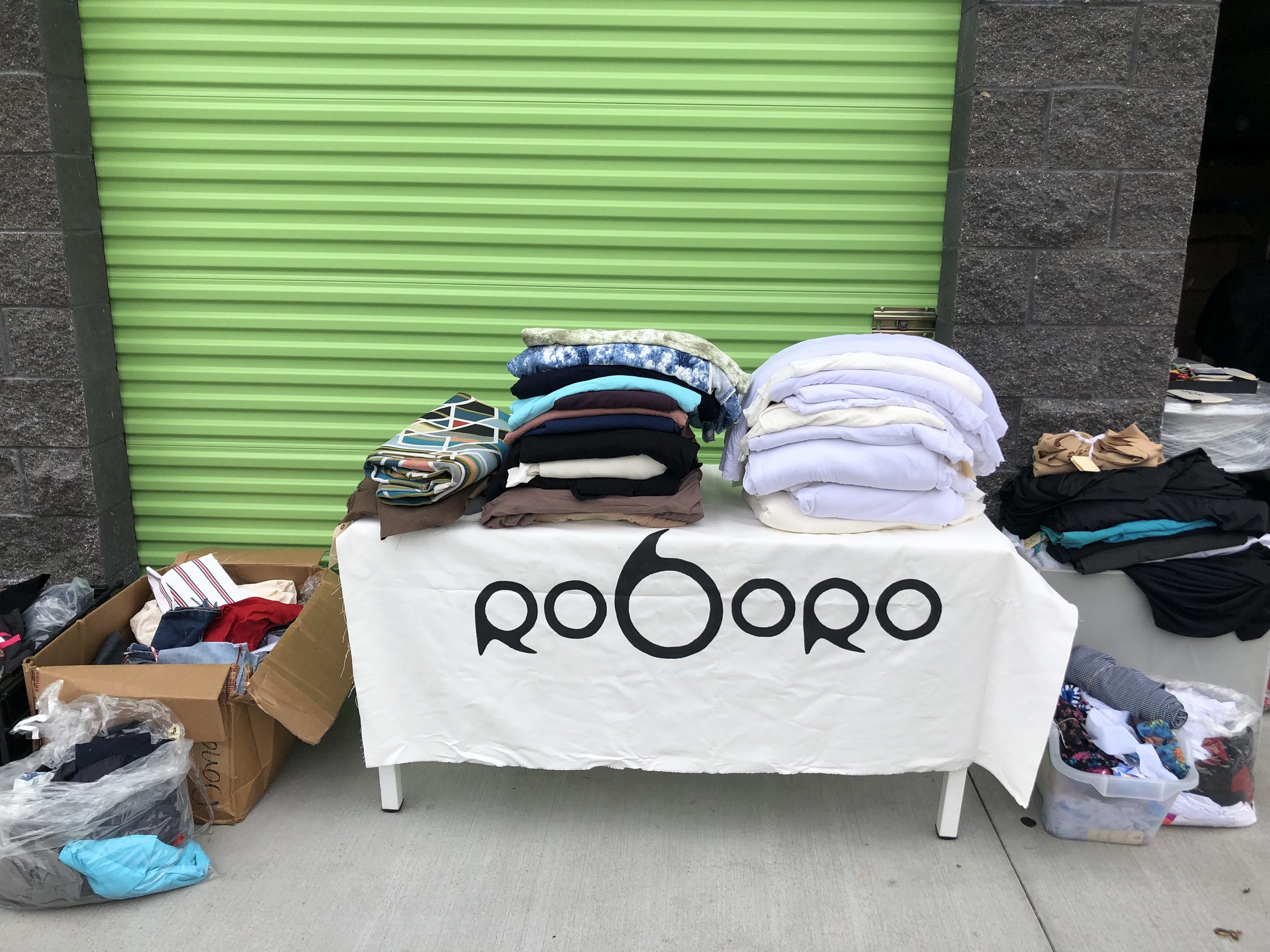
Roboro is helping to redefine what textile waste is. We are devoted to addressing textile waste across the full value chain, building scalable systems for reuse and repair. We bridge the gaps between consumers, brands, and manufacturers that have long made sustainability difficult to achieve.
Roboro’s Six Tenents
Our Six Tenets guide every decision at Roboro, setting clear standards for repair, reuse, and circularity while balancing environmental, financial, and human impact.
-
Aim for 100% sustainability while recognizing that immediate perfection isn’t feasible. Incremental improvements drive environmental benefits, steady financial growth, and sustainable human practices.
-
Build systems centered on sustainable raw materials rather than fleeting trends. Focusing on quality minimizes environmental impact and creates products with enduring financial and ethical value.
-
Develop tailored, one-of-a-kind solutions to tackle textile waste. Custom approaches drive environmental innovation, unlock niche markets, and engage diverse stakeholders.
-
Champion human rights by partnering with manufacturers that offer living wages, safe working conditions, and inclusivity. Ethical production strengthens community development and supports a resilient economy.
-
Combat overproduction by creating limited, high-quality products. This approach reduces waste, builds consumer trust, and supports sustainable financial returns.
-
Create circular, regenerative systems that protect future generations. Closed-loop practices ensure long-term environmental resilience and foster innovative economic models.
OUR IMPACT
OUR IMPACT
OUR IMPACT
OUR IMPACT OUR IMPACT OUR IMPACT
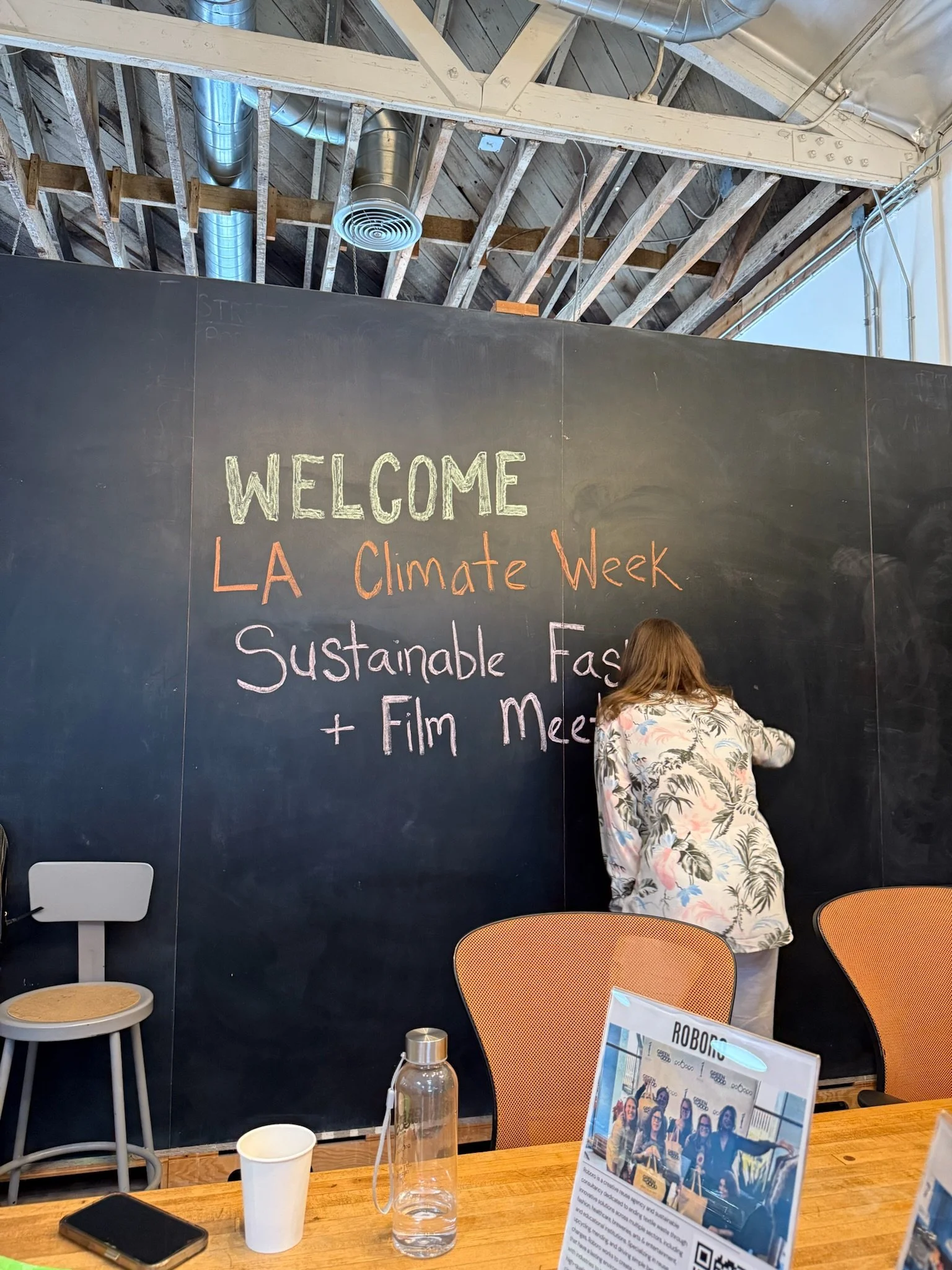
Standardizing & Incentivizing Solutions
Roboro’s framework tackles today’s textile waste while building systems to prevent tomorrow’s, creating lasting circular solutions.
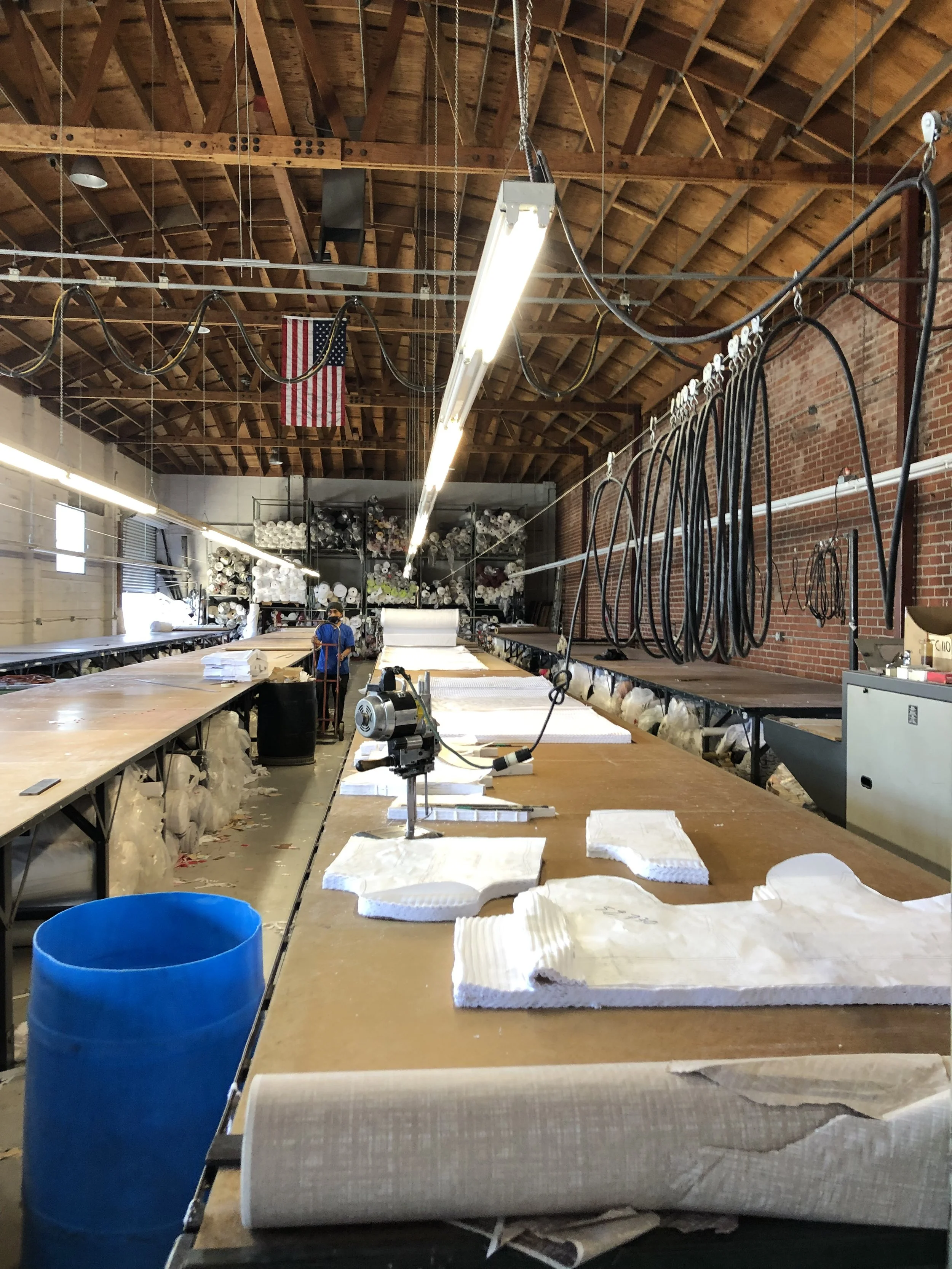
Revitalizing Domestic Manufacturing
Our approach reinvigorates local workforces, champions ethical production, and turns textile waste into opportunity.
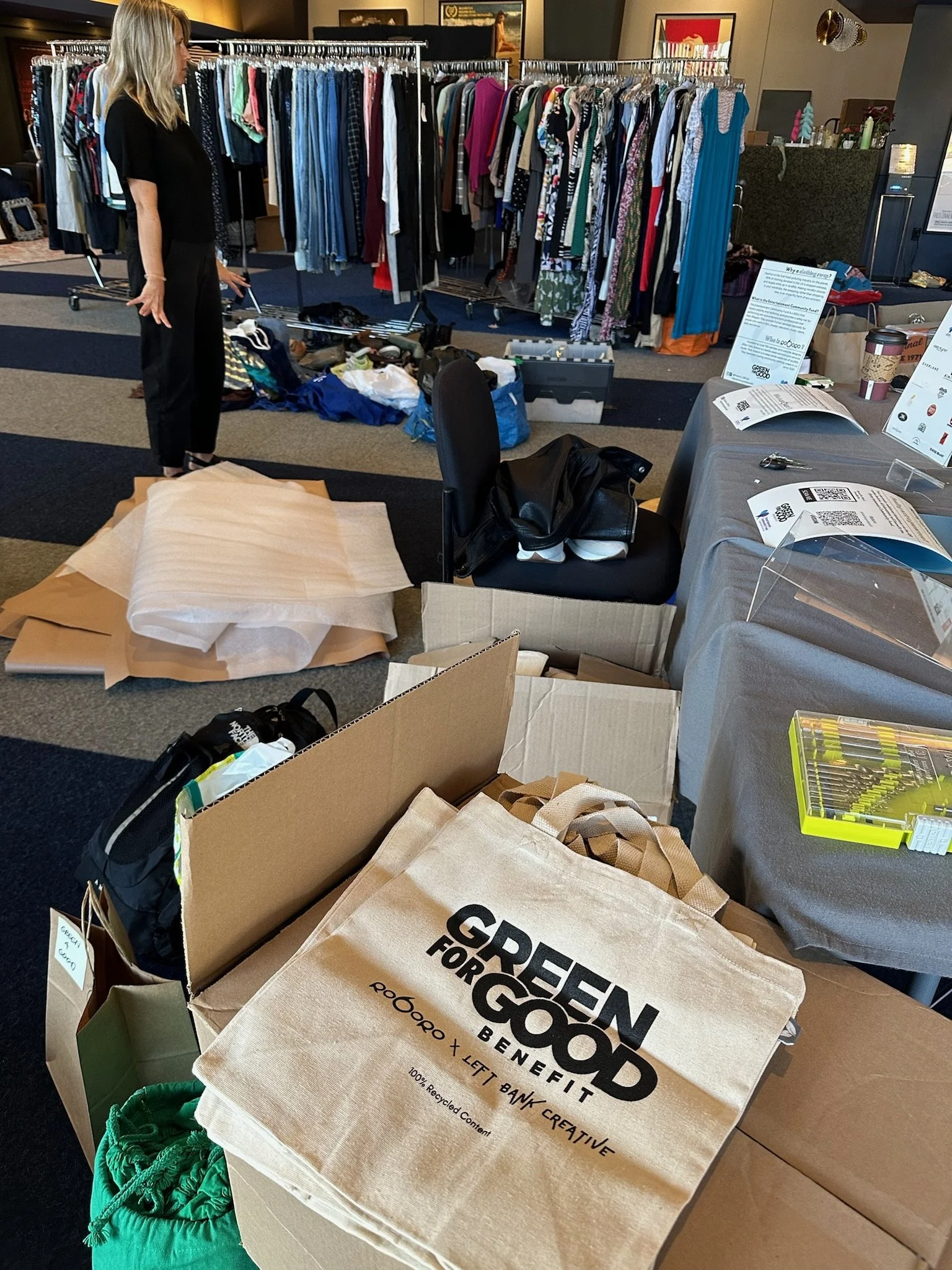
Building
Strategic Partnerships
Partnering with policy, production, and pop culture to turn textile waste into lasting impact.
Meet Our Founder & CEO, Jillian Clark
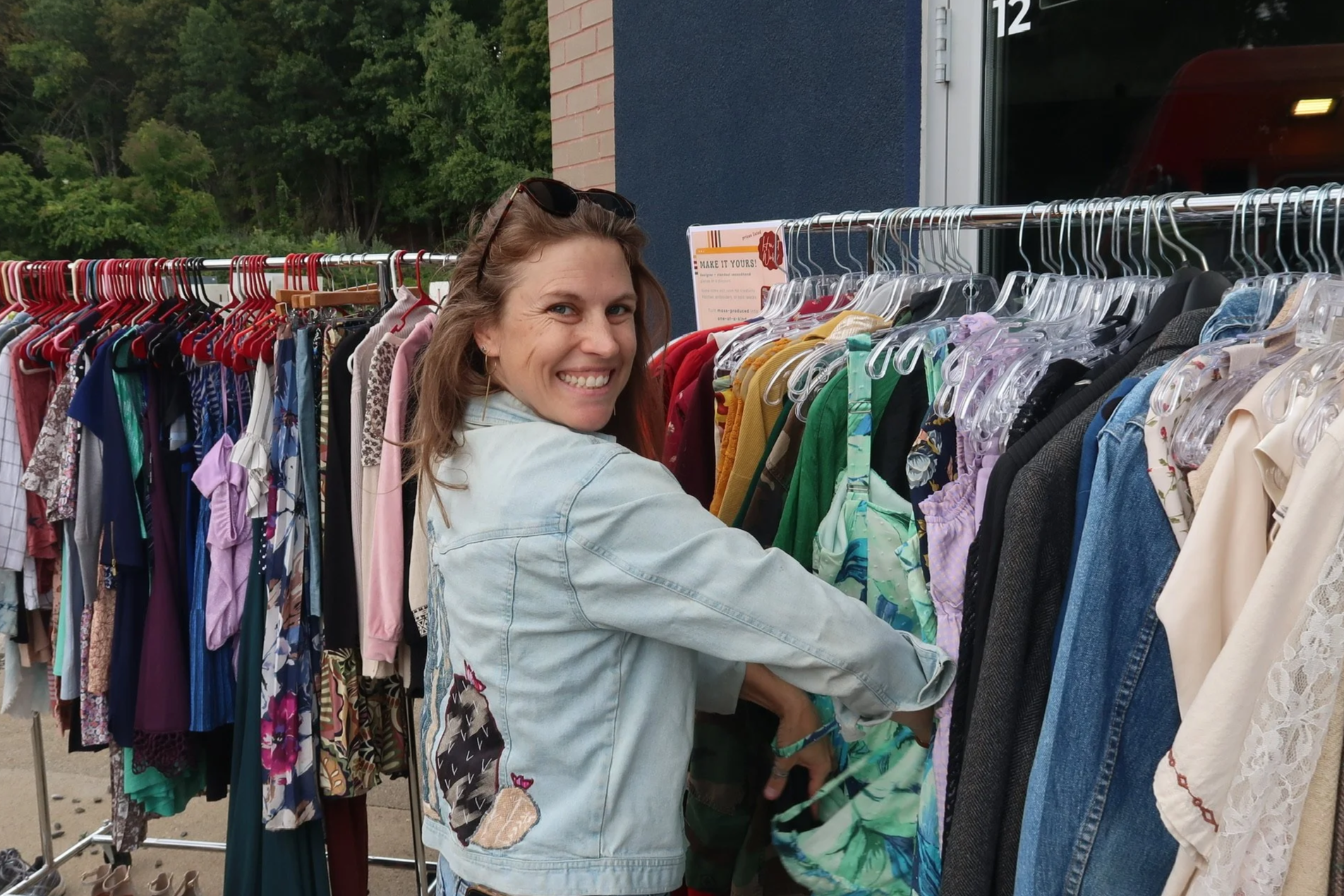
Founded in 2017 by costume designer Jillian Clark, Roboro began with a mission to reduce waste and fast fashion in the film industry. Evolving beyond costume design to a broader circular fashion philosophy, Roboro now drives innovation, challenges linear business models, and inspires sustainable practices across industries and everyday life.
Jillian began Roboro by transforming discarded fabrics from TV and film productions in Los Angeles into original upcycled designs sold at local pop-ups and markets.
Today, Roboro has evolved into a sustainable textile waste management company helping define circularity in practice, and advocating for standardized, incentivized textile recovery systems that keep materials in use and out of landfills.
Unbound by traditional fashion training, Jillian approaches textile waste with a producer’s systems mindset, seeing the supply chain as an interconnected ecosystem. Drawing from hyperlocal European circularity models and her experience in Los Angeles, Boston, and London, she’s focused on adapting proven, hyper local and community-based solutions to the U.S. textile landscape.